
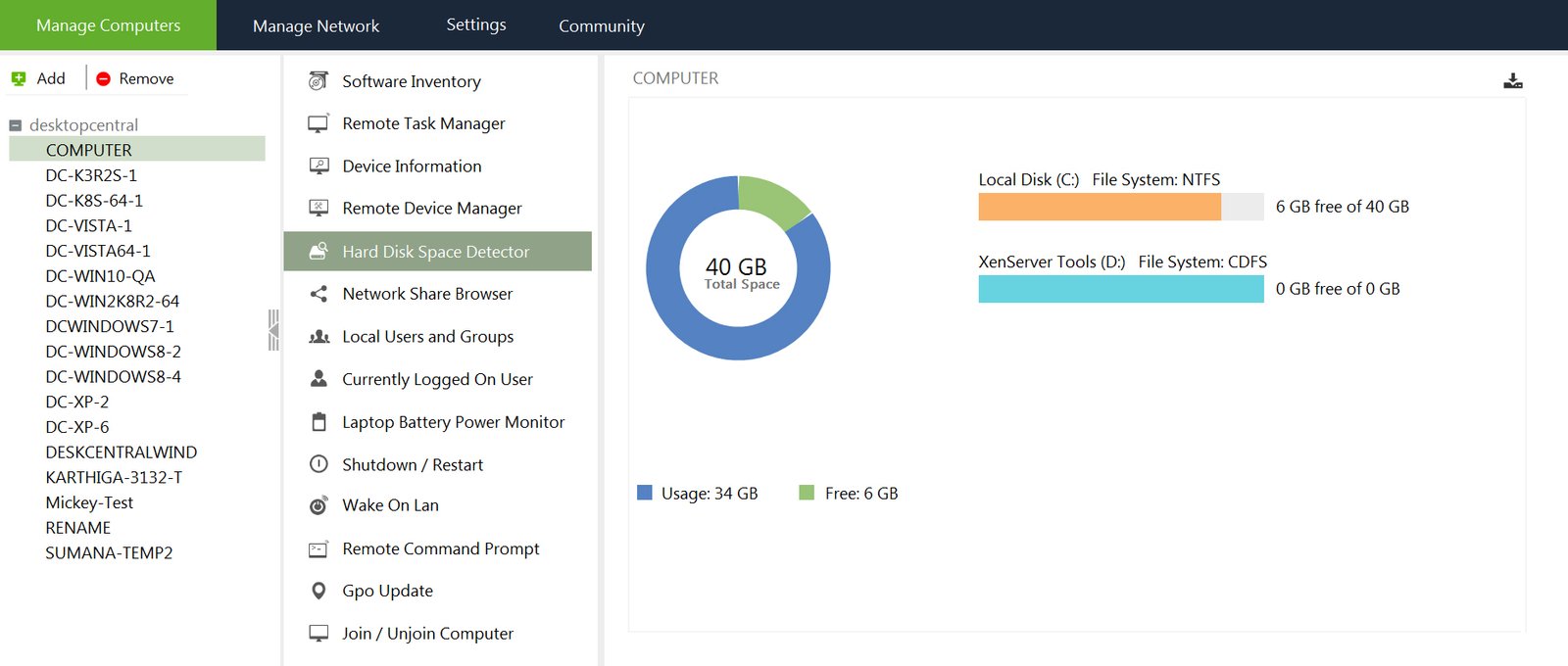
We have all been there. You are in the middle of downloading a new game, saving an important work project, or trying to update your phone when a scary message pops up: “Storage Almost Full.” It is one of the most frustrating things that can happen in our digital lives. When your computer or phone runs out of room, it doesn’t just stop you from saving files; it actually slows down the whole system. This is why understanding disk space analysis & storage monitoring is so important in 2026. Your device needs “breathing room” to think and process information. In this guide, we are going to explore how to manage your digital clutter using simple English and a friendly, human tone. We want to show you that you don’t need to be a computer expert to keep your hard drive healthy. By mastering disk space analysis & storage monitoring, you can make your devices feel brand new again and never worry about that “out of space” warning ever again.
Why Disk Space Analysis & Storage Monitoring is Your Best Friend
Think of your computer’s hard drive like a physical closet in your house. If you keep throwing clothes, boxes, and old junk inside without ever cleaning it out, eventually you won’t be able to close the door. Worse, it will take you forever to find the one shirt you actually want to wear. Disk space analysis & storage monitoring is like taking everything out of the closet, seeing what you actually use, and organizing the rest. When your disk is nearly full, your computer struggles to move files around, which leads to freezing and crashes. By prioritizing disk space analysis & storage monitoring, you are keeping the “digital hallways” clear. This allows your operating system to run at top speed and protects your important data from getting corrupted.
Finding the “Space Hogs” with Disk Analysis Tools
The first step in disk space analysis & storage monitoring is finding out where all the space went. Sometimes it is obvious, like a folder full of movies, but often the space is taken up by hidden files you don’t even know exist. There are simple, free tools available that create a “visual map” of your hard drive. These tools are the heart of disk space analysis & storage monitoring because they show you giant squares representing big files. You might discover that a game you deleted months ago left behind 50GB of useless data, or that your “Downloads” folder has three copies of the same 5GB video. Identifying these “space hogs” is the fastest way to get your storage back under control.
The Role of Temporary Files in Your Storage Health
Every time you browse the internet or use an app, your computer creates “temporary files.” These are meant to help things load faster, but over time, they pile up like old newspapers. A major part of disk space analysis & storage monitoring is cleaning out these “Cache” and “Temp” folders. If you haven’t cleaned them in a year, they could be taking up 20GB or 30GB of space! Most computers have a built-in “Disk Cleanup” tool that handles this for you safely. Making this a part of your monthly disk space analysis & storage monitoring routine is a simple way to keep your system lean and mean without having to delete any of your actual photos or documents.
Why You Should Monitor Your Storage Constantly
You wouldn’t wait for your car’s engine to explode before checking the oil, right? The same logic applies to disk space analysis & storage monitoring. You shouldn’t wait for the “Full” warning to act. Modern disk space analysis & storage monitoring involves keeping an eye on your storage levels every week. A good rule of thumb is to always keep at least 15% to 20% of your total disk space empty. This “buffer zone” is used by your computer for “Virtual Memory,” which helps it run multiple apps at once. By practicing consistent disk space analysis & storage monitoring, you can delete small things here and there rather than having to do a massive, stressful cleanup once a year.
Managing Your Downloads and Trash Folders
It sounds simple, but two of the biggest causes of wasted space are the “Downloads” folder and the “Trash” or “Recycle Bin.” In our disk space analysis & storage monitoring journey, we often find that people forget that moving a file to the trash doesn’t actually delete it. It just moves it to a different part of the hard drive! To truly free up space, you must empty the trash. Similarly, the Downloads folder is often a graveyard for installers and PDF files you only needed once. A key disk space analysis & storage monitoring habit is to “Empty the Bin” every Friday and sort through your Downloads. This prevents digital clutter from growing out of control in the background.
The Hidden Danger of Duplicate Files
Over time, we all end up with multiple copies of the same thing. Maybe you imported your photos twice, or you saved a work document as “Final,” “Final-v2,” and “Final-REAL.” This is a major issue uncovered during disk space analysis & storage monitoring. Duplicate files are a waste of perfectly good storage. There are smart apps that can scan your drive and find files that are exactly the same, even if they have different names. Using these tools as part of your disk space analysis & storage monitoring strategy can often save you 10% of your disk space instantly. It is an easy win that makes your file system much more organized and easier to search.
Moving Large Files to the Cloud or External Drives
Sometimes, you have files that you really want to keep, like family videos or old school projects, but you don’t need to look at them every day. For these, disk space analysis & storage monitoring suggests moving them off your main hard drive. You can use an external USB drive or a cloud service like Google Drive or iCloud. This is a brilliant disk space analysis & storage monitoring move because it clears “active” space on your computer while keeping your memories safe. Once the files are backed up elsewhere, you can delete them from your main machine. This keeps your daily workspace fast and clutter-free while ensuring your long-term data is preserved.
Dealing with Large Applications and Games
In 2026, software and video games have become massive. A single game can take up 150GB of space! When performing disk space analysis & storage monitoring, look at your “Installed Apps” list and sort them by size. You might find a heavy program you used once for a project three years ago that is still sitting there taking up 10GB. Deleting one large, unused app is often more effective than deleting a thousand small text files. As part of your disk space analysis & storage monitoring routine, try to “Audit” your apps once every few months. If you haven’t opened it in six months, you probably don’t need it taking up space on your primary drive.
The Importance of Disk Defragmentation and Optimization
While modern Solid State Drives (SSDs) don’t need “defragmenting” like old-fashioned hard drives, they still need “Optimization.” This is a technical part of disk space analysis & storage monitoring that the computer usually does in the background, but it is good to check on it. Optimization tells the drive how to organize data so it can be reached more quickly. In your computer’s settings, look for “Optimize Drives” as part of your disk space analysis & storage monitoring checklist. It ensures that your hardware is working as efficiently as possible, which prevents the slow-down that often comes when a drive starts to get full.
Conclusion: Reclaiming Your Digital Freedom
In conclusion, your computer or phone is a tool designed to make your life easier, not more stressful. By taking control through disk space analysis & storage monitoring, you ensure that your technology always works when you need it most. We have looked at finding space hogs, cleaning temporary files, managing duplicates, and the importance of keeping a storage buffer. These disk space analysis & storage monitoring habits don’t take a lot of time, but they pay off in a big way.
A clean drive is a fast drive. When you practice regular disk space analysis & storage monitoring, you are protecting your device and making your digital experience much smoother. Don’t wait for the “Storage Full” warning to ruin your day. Start your cleanup today, empty that trash bin, and enjoy the feeling of a fast, organized, and healthy computer!